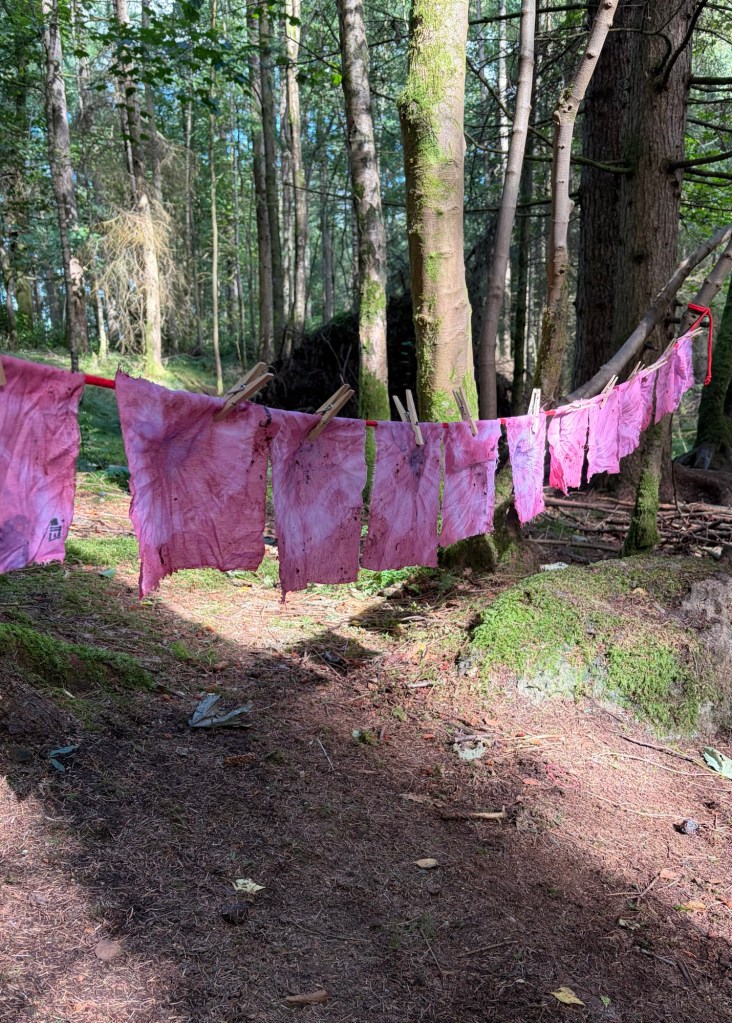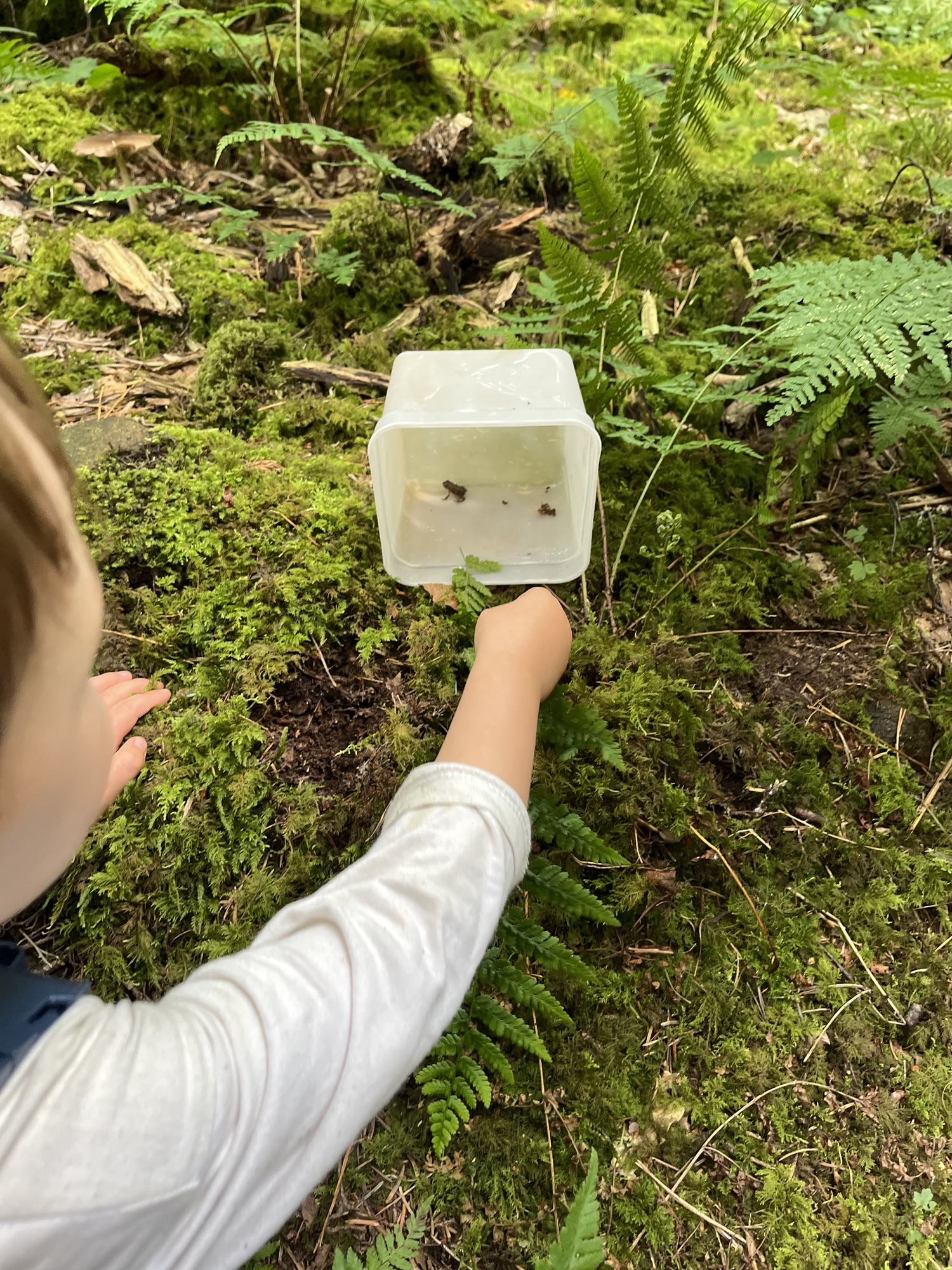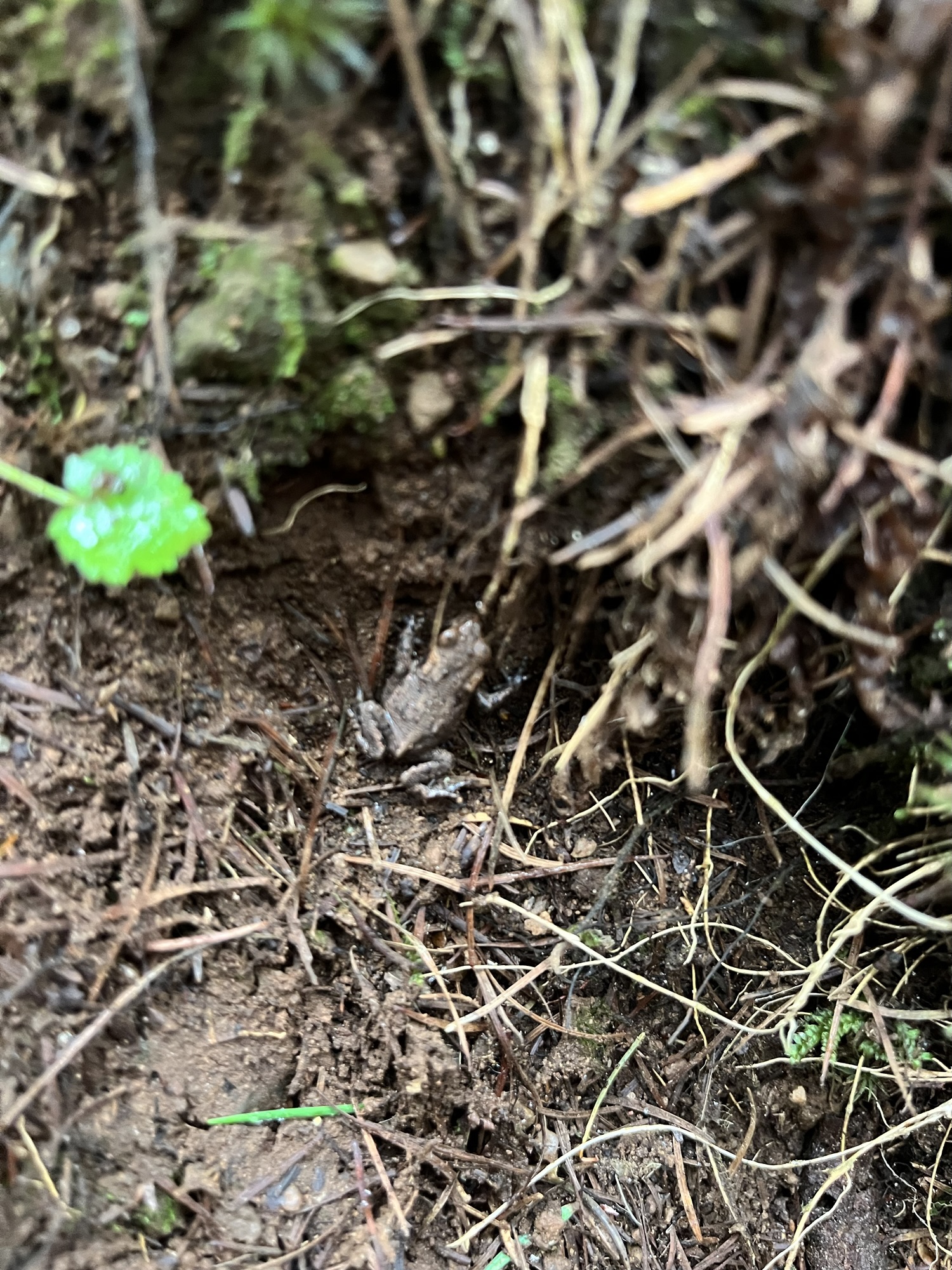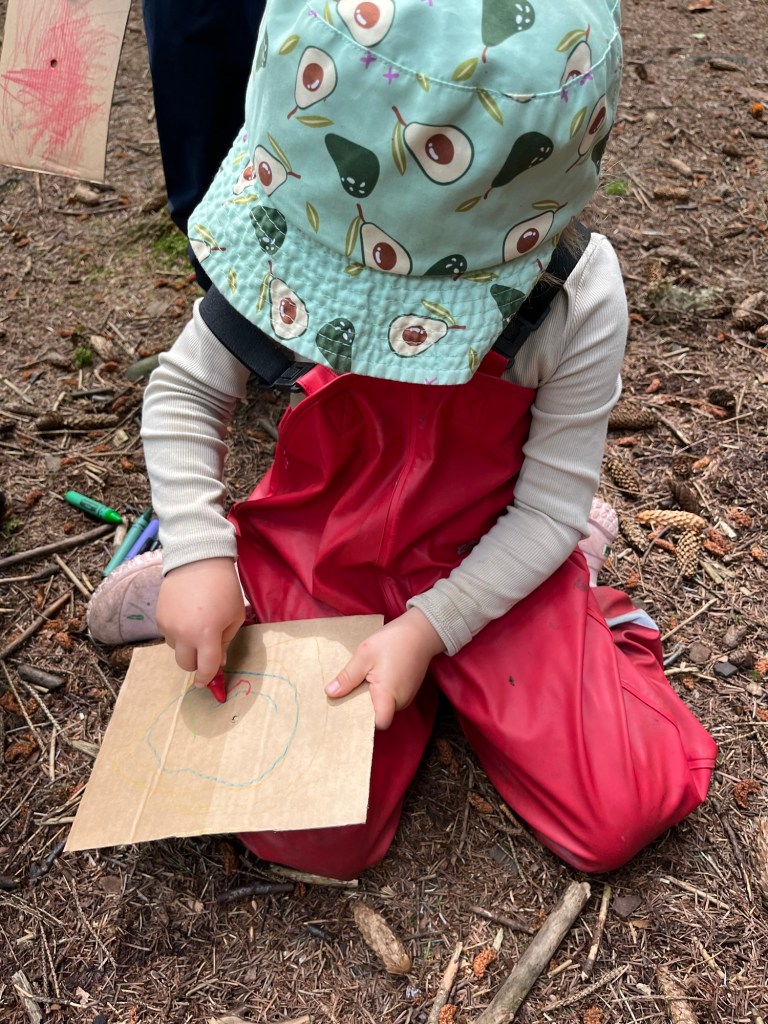
Winter versus Spring.

Last weekend it felt as though spring had finally arrived. The sun was shining, the air felt warmer, and it was easy to imagine that winter had quietly slipped away for another year. But this week the weather reminded us that winter isn’t quite ready to retire just yet. Wind and rain returned, puddles formed, and the woodland quickly became thick with mud once again.

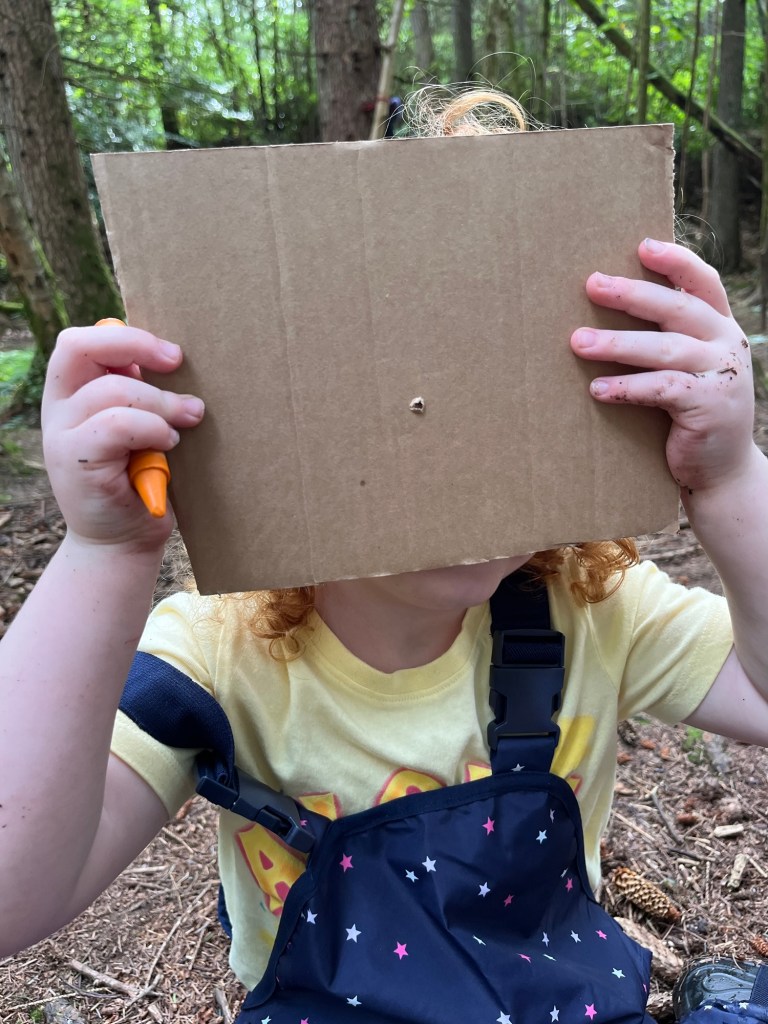
For the children, this changing weather creates endless opportunities for exploration. Wet ground invites experimentation as mud becomes something to mould, shape, squash and transform. Children quickly discover that the materials around them behave differently depending on the conditions.

Wet ground invites experimentation as mud becomes something to mould, shape, squash and transform. As they play, children discover that the materials around them behave differently depending on the conditions — wetter, stickier, heavier or smoother.

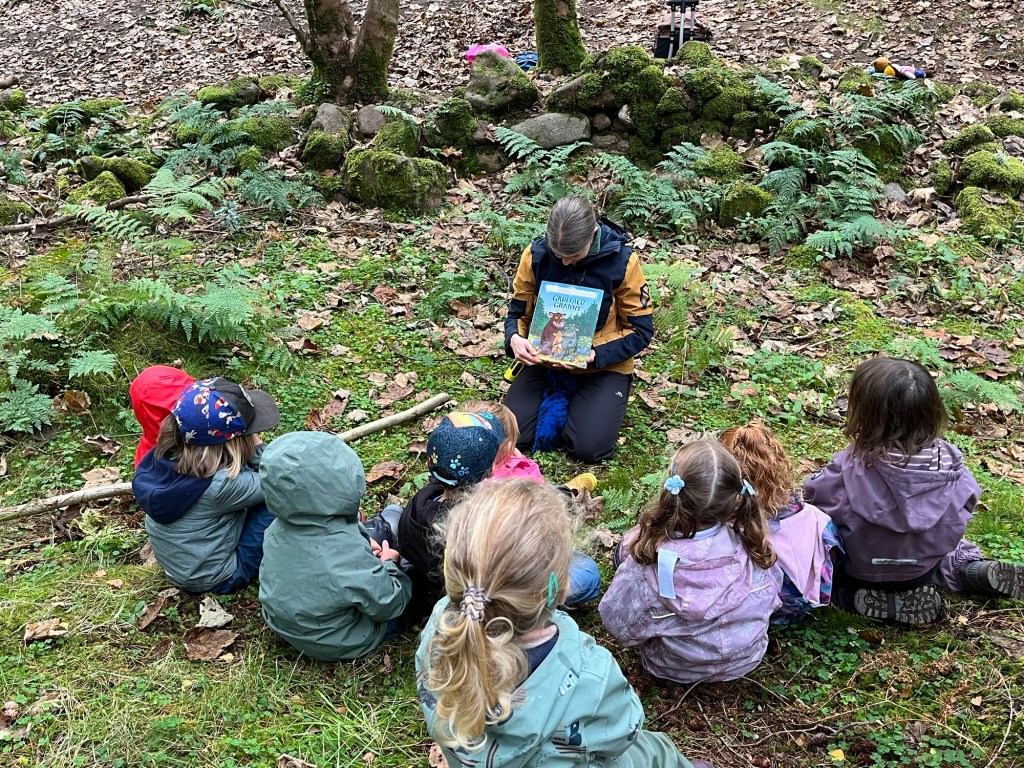
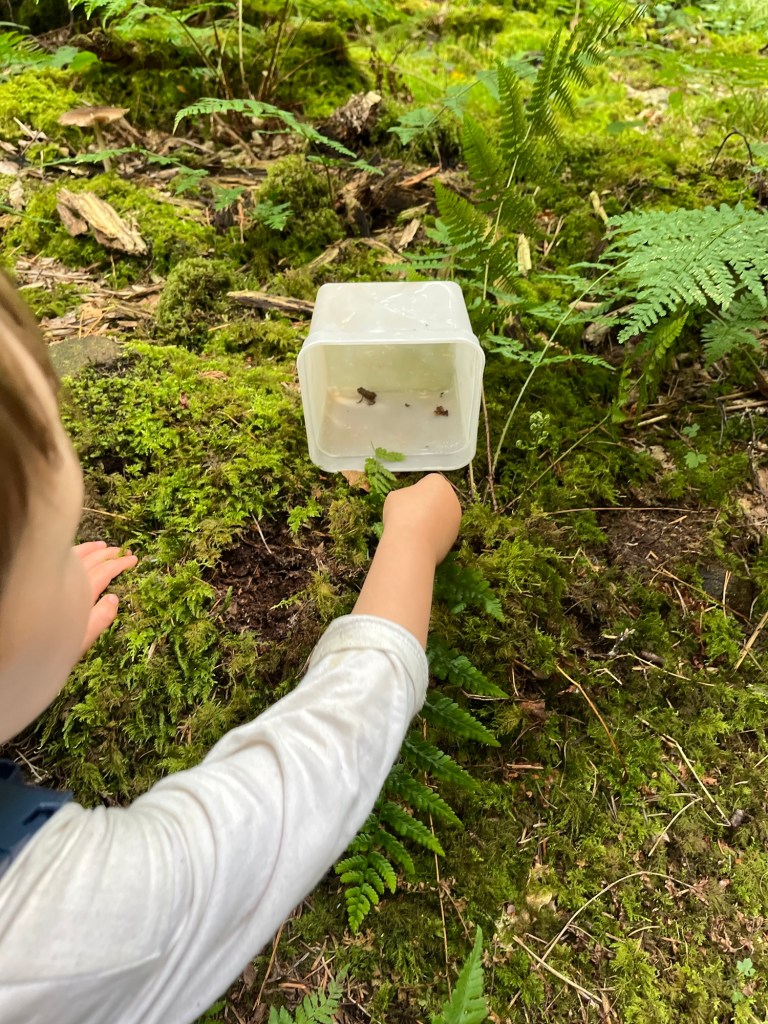
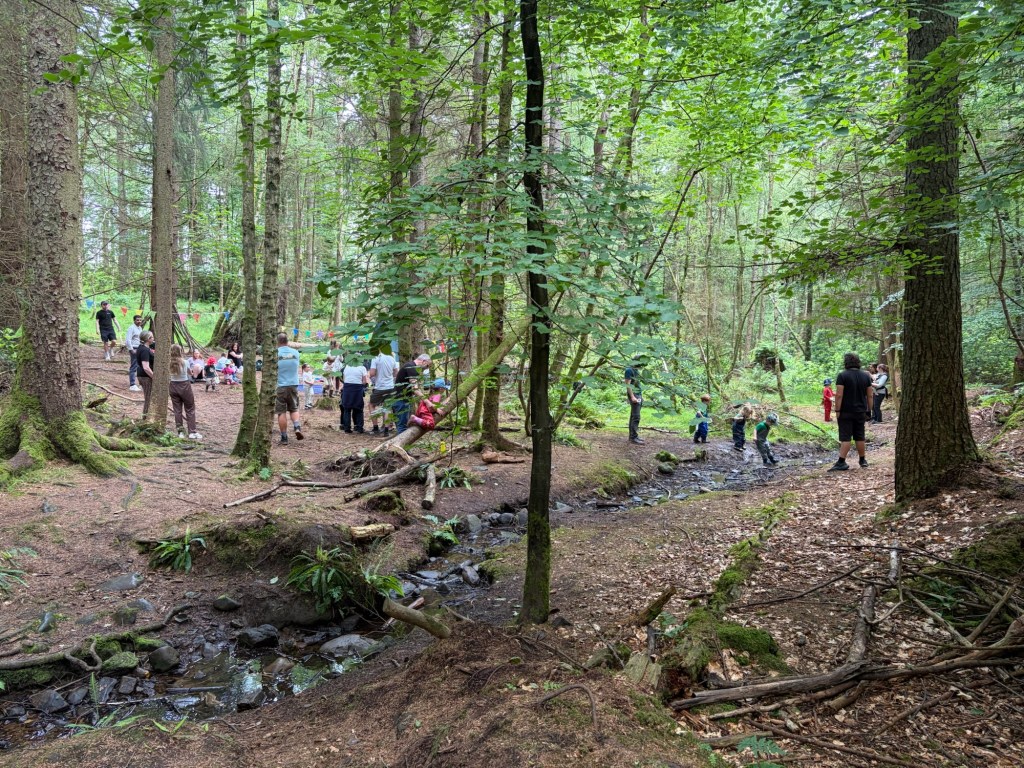
Outdoors itself becomes part of the play. Children notice textures, surfaces and patterns as they move through the space, experimenting with how materials interact with the natural environment around them. In places like our woodland, learning often begins with the environment itself, inviting children to explore, test ideas and gradually come to understand the landscape around them.

When the wind arrived later in the week it brought a completely different set of possibilities. Gusts became something to play with, investigate and even measure, turning the weather itself into part of the learning experience.

Weeks like this are a reminder that nature doesn’t present children with neatly planned activities. Instead it offers possibilities. Wind, water, mud and natural materials all invite children to explore, experiment and test their ideas.

And one this was very clear, Spring may be on its way — but winter clearly wanted to remind us it wasn’t quite finished yet!

Next time it rains try catching a raindrop on your tongue and see what it tastes like!

Learning Together

It’s usual for me to reflect on children’s learning, but this week it feels right to think about adult learning too — and what children gain from seeing it in action.

I spent the early part of the week with colleagues undertaking a peer review. This was challenging for everyone involved: those being reviewed, and those carrying out the review. It required openness, thoughtful questioning, and honest professional dialogue. In doing this work, it became clear that those of us completing the review learned just as much as those being reviewed.

Later in the week, Katie reached the final stages of her Forest Leader Level 8 qualification and was assessed by her course tutor. Being observed is always stressful, but with the support of the children and our staff team, she absolutely aced the assessment, and we are incredibly proud of her.

Both experiences show that meaningful learning often involves challenge and uncertainty.

When adults are willing to keep learning and push themselves despite this, children benefit in two ways: through strengthened practice, and by seeing learning modelled as something positive, worthwhile, and exciting.

As we head towards the half-term break, it feels like a good moment to recognise the value of adults continuing to learn, even when it feels hard. When children see this, they learn that learning is something to enjoy, not something to fear.

Choose one small thing to learn alongside your child this week — tying a knot, learning a new word, fixing something simple, or following a new recipe. Let your child see you practise, make mistakes, and keep going.

Welcome to 2026 at CVN!

The start of a new year brings a sense of renewal and hope, and as we begin this term we’re feeling energised, and quietly determined. 2026 will be a big year for us—one where our woodland shelter finally takes shape and our vision of becoming a fully outdoor nursery is realised.

In the meantime, life in the woods continues much as it always has: rich, hands-on, and deeply engaging.

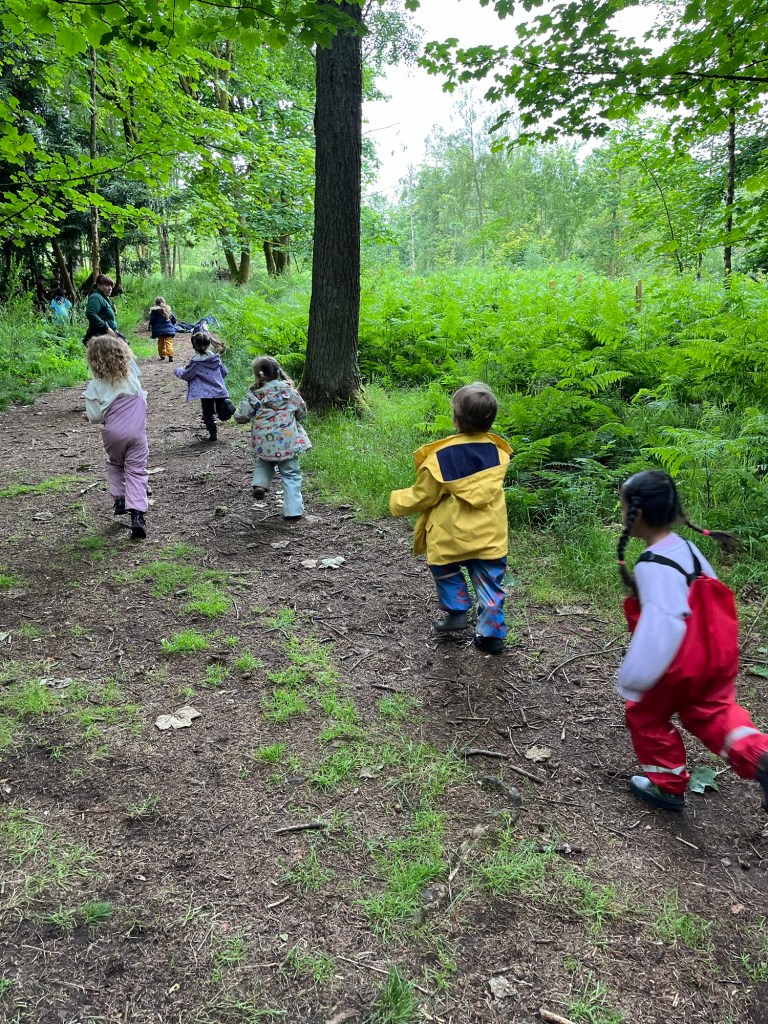
When we returned to the woods we found them transformed by winter. Cold, frosty conditions haven’t slowed anyone down. We’ve seen fantastic stamina and resilience, staying deeply engaged in their play and learning.

There has been balancing and climbing on fallen logs, careful exploration of icy and muddy ground, working together with ropes, and taking time to notice and investigate frost, ice, and snow in all its forms.

As we look ahead to the challenges and opportunities this year may bring, it’s grounding to see how confidently the children continue to thrive outdoors—whatever the season.

On frosty mornings, see if you can spot where winter still sparkles—icy puddles, frosted grass, or shiny paths catching the light. Even a quick notice on the way in can turn an ordinary morning into something special.

Festivities with Friends

The end of term — and of the year — is always a time to reflect on recent experiences. December is generally a busy month, and as usual we’ve noticed how full the last few weeks have been — not only with activity, but with people, connection and shared experiences.

December at Cambusbarron Village Nursery is a time for excitement and joy, but also kindness and community.

Our Random Acts of Christmas Kindness have given children opportunities to think about others, and about giving rather than receiving. A trip to the MacRobert Theatre brought the excitement of a shared cultural experience — and a trip on a ginormous bus.

We also loved dancing with the ladies at Rock and Reel, sharing music and movement across generations.

Today we hosted our own intergenerational Christmas party — a lovely way to bring children, families and members of our wider community together.

The recent wet and windy weather has meant that many of our visits to the woods and time in the nursery garden have been spent jumping in mud and splashing in puddles, as well as enjoying familiar stories, songs and games.

Christmas is a season of joy and excitement, but winter also invites us to slow down, notice the shorter days and respect this season of darkness and rest. We expect many homes will be buzzing just now while children wait excitedly for Santa to visit, but we hope everyone manages to spend some special time together and mark the season in a way that feels right for them.

Nursery closes tomorrow at 12 noon. Thank you to our children, families and community for another term of warmth, trust and connection. We wish everyone a peaceful Christmas and look forward to returning in the New Year.

Christmas is Coming!

We’ve been well and truly getting into the Christmas spirit this week (not too many more sleeps now!).
On Wednesday we joined the lovely ladies at Rock & Reel for some festive dancing, and today we had a brilliant trip to the Macrobert Arts Centre to see The Chilliest Penguin.
Lots of excited faces and Christmas cheer all round! 🎄🐧✨

We are so grateful to Tricia at Rock & Reel, Hunter’s Coaches, the Macrobert Arts Centre, and to Christmas in Cambusbarron for helping make this such a special time for our wee people. 💕

Just Chillin’

We often share the muddy play, the climbing, the discoveries. But this week’s favourite moment was quieter: a child perched on a stump, gazing into the trees, telling us he was “just chillin.”

Outdoors gives children space not only to move, but to settle. A pause in the woods isn’t empty time — it’s children processing their day, feeling grounded, and finding their own comfort. These moments of stillness remind us that learning doesn’t always look busy.

A 10 second Pause : Wherever you are, take 10 seconds to stop and notice: “What can I hear right now?” It’s a simple way to bring a little calm into the rush of daily life.

CVN AGM

Join us for our Annual General Meeting on Wednesday 3rd December at 7pm in Cambusbarron Community Centre.

It’s a chance to hear what we’ve been working on this year, how our woodland journey is progressing, and what our plans are for the months ahead.

Everyone is very welcome — parents, carers, families and our wider community.

Rhyming in the Rain

This week was Nursery Rhyme Week, and we celebrated it using our magic bag full of familiar props, prompts and lots of singing and rhyming.

Choosing items, remembering rhymes and joining in together supports early language, confidence and social skills.

Nursery rhymes also boost vocabulary, strengthen early literacy and numeracy skills, and help children develop social, physical and emotional skills — all wrapped up in simple, joyful songs.

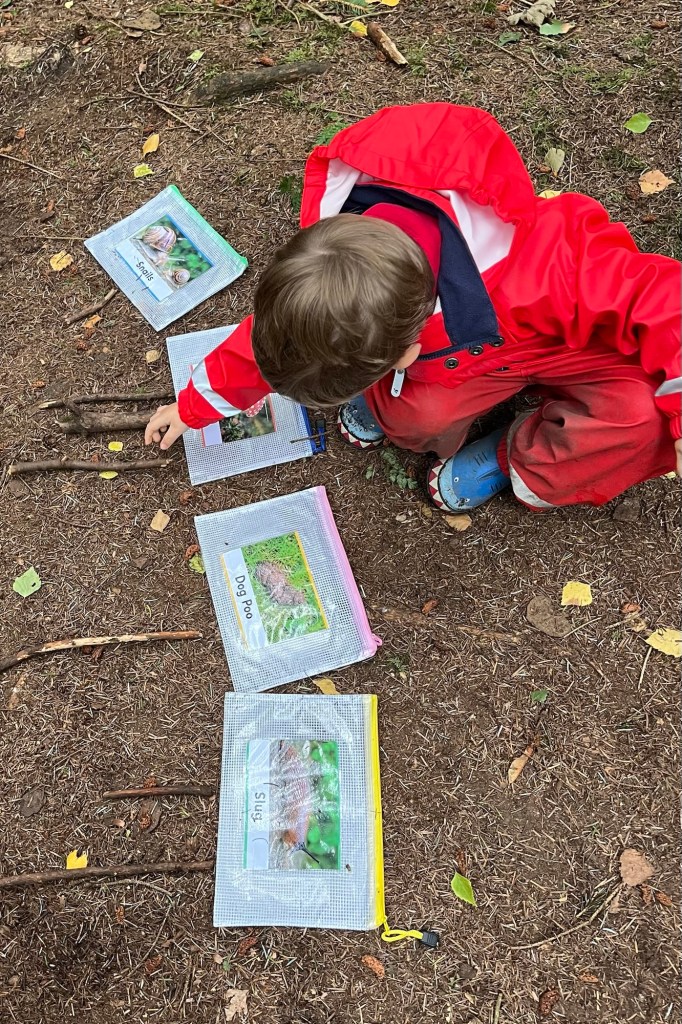
The wet weather brought brilliant learning too. Children explored water in every form the woods could offer: noticing patterns in puddles, watching fast-flowing water, navigating the rising burn and observing rain dripping from branches. These simple moments support early scientific thinking, help children understand cause and effect, and build confidence in managing themselves in changing weather.

Because of the work happening in the woods, we’ve been spending more time in some of our other favourite places — the Bendy Tree, the “spider web” and the Badger — letting the children decide where they wanted to explore. Moving through different spaces in the woods naturally brings different learning opportunities, including the discovery of some “buried treasure” under an X made with sticks! 

Climbing, hiding, imagining and moving through these natural spaces builds balance, coordination, problem-solving and teamwork.

A week filled with songs, puddles, climbing and imagination — all the things that make learning outdoors so special!

Next time you’re outside, see if you can spot natural shapes that look like letters — an X made by crossing sticks, a Y-shaped branch, or an O in a puddle.

It’s a simple way to build early pattern-spotting and visual awareness, and helps children see how shapes and letters appear naturally in the world around them.

Fireworks and the Rain

Last Wednesday brought the kind of rain that soaks through everything. Some children found it tough — not quite sure how to enjoy the feeling of being wet — while others were delighted, dancing in the mud and testing how much water would pour off the tarp when they tugged it! Staff offered plenty of hugs and encouragement to support those who were more hesitant to join in.

As it was Bonfire Night, we had planned to have a mini bonfire, but there was just too much rain so we decided to postpone. Some children, however, created their own “fireworks” – cutting pieces of wool, tying them to sticks, and swirling them through the air (great for building those strong shoulder and arm muscles needed for early writing). There were no real sparks flying, but plenty of energy, imagination and determination sparkling through the rain.

The next day I joined colleagues from across Scotland at a Thrive Outdoors knowledge-sharing event in Stirling, looking at inclusion in outdoor play and learning. It was a good day for conversation, reflection and reconnecting with familiar faces.

One discussion stood out to me. When we talked about what makes outdoor spaces inclusive, our table kept coming back to the same point – that inclusion starts with relationships, not resources. When children are surrounded by adults who notice, listen and adapt, almost any space can become one where everyone feels they can belong.

That summed up what we’d seen the day before. What looked like a very wet morning was really a reminder of how differently children experience the same conditions, and how important it is to take our time and meet each child where they are.

That’s the essence of slow pedagogy – giving learning and confidence time to grow without rush or pressure, and recognising that every child’s journey is unique. What feels exciting for one might feel uncertain for another, and that’s okay. Slowing down allows us to notice those differences and create the time and space for every child to join in, in the way that works for them.

Next time it rains, head outside for a few minutes together. Watch how the water moves across different surfaces, listen to the sounds it makes, or see what patterns or reflections can be seen in puddles.